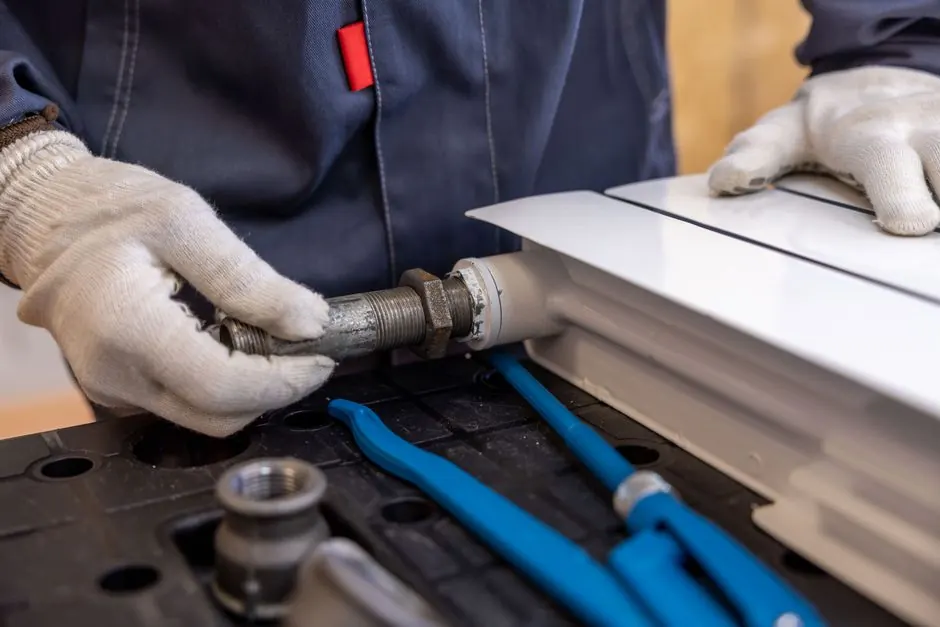
Replacing a water heater anode rod in Port Charlotte, FL, is a straightforward job that most handy homeowners can tackle in about an hour with basic tools. The anode rod is a sacrificial metal rod inside your tank that corrodes instead of your tank's steel lining, and swapping it every 3-5 years can double the life of your water heater. In this guide, we walk you through the tools, the steps, and the local water conditions that make anode rod maintenance especially important here in Southwest Florida.
What Is a Water Heater Anode Rod and Why Does It Matter?
A water heater anode rod is a sacrificial metal core-usually aluminum or magnesium-wrapped in steel wire that sits inside your tank to attract corrosion away from the tank walls. Port Charlotte's municipal water supply carries minerals and dissolved oxygen that accelerate rust; the anode rod takes the hit so your tank doesn't. Without a healthy rod, the steel lining corrodes from the inside out, and you're looking at a full replacement instead of a $40 part.
Most residential tanks come with a single anode rod, but some larger models have two. The rod is screwed into the top of the tank, often under a plastic cap. Over time, the rod dissolves. When it's gone, the tank becomes the anode-and that's when you see rust-colored hot water or a leaking tank. We've seen tanks in Port Charlotte fail in as little as six years when the anode was never checked, while maintained tanks regularly last 12-15 years.
Signs Your Anode Rod Needs Replacing in Port Charlotte
Your anode rod is due for replacement when you notice rusty hot water, a sulfur or rotten-egg smell, or visible corrosion on the rod itself. In Port Charlotte, the combination of hard water and year-round heat speeds up the corrosion process, so we recommend checking the rod every two years. Here are the telltale signs:
- Rusty or metallic-tasting hot water-the first sign the rod is spent.
- Rotten-egg odor-bacteria reacting with the magnesium or aluminum rod.
- Popping or rumbling sounds-sediment buildup, often paired with a failing rod.
- Visible corrosion-if you pull the rod and it's more than 50% consumed, replace it.
- Age of the tank-if your water heater is over 5 years old and the rod has never been changed, it's time.
If you're seeing rusty water, don't wait. A $30-$60 anode rod now can save you a $1,200-$2,500 tank replacement later. Our team at Water Heater Replacement Port Charlotte FL handles anode rod swaps as part of our maintenance service, and we can tell you in minutes whether your rod is still doing its job.
How to Replace a Water Heater Anode Rod in Port Charlotte FL
To replace a water heater anode rod in Port Charlotte, FL, you'll need to shut off the water and power, drain a few gallons from the tank, unscrew the old rod, and thread in a new one with pipe sealant. The job takes 45-90 minutes depending on access and how stubborn the old rod is. Before you start, confirm the replacement rod matches your tank's thread size (usually 3/4 inch NPT) and material-aluminum for softening water, magnesium for harder water like we have in Port Charlotte.
If your water heater sits in a tight closet or attic, give yourself extra time. We've worked on thousands of tanks across Charlotte County, and the ones in older homes near tank water heater installation Port Charlotte FL often have the rod tucked behind the flue pipe, which makes access tricky. A flexible anode rod can help when headroom is less than 4 feet.
Tools and Materials You Will Need
- New anode rod (aluminum or magnesium, 3/4-inch NPT)
- 1-1/16-inch socket or anode rod wrench
- Pipe wrench or breaker bar (for stubborn rods)
- Thread sealant tape or pipe dope
- Garden hose and bucket
- Adjustable wrench
- Safety glasses and gloves
- Flashlight or headlamp
You can find anode rods at most hardware stores in Port Charlotte for $20-$50. Magnesium rods cost a bit more but last longer in our water. Avoid using a steel or zinc rod unless your tank manufacturer specifies it-they don't protect as well.
Step-by-Step Anode Rod Replacement
- Shut off the power and water. For electric heaters, flip the breaker. For gas, turn the gas valve to pilot. Close the cold-water inlet valve.
- Drain 2-3 gallons. Attach a hose to the drain valve and let water run into a bucket or outside. This lowers the water level below the anode rod port.
- Locate the anode rod. It's usually on top of the tank, under a plastic cap. On some models it's on the side. If you have a two-rod tank, you'll see two hex heads.
- Remove the old rod. Use your socket or wrench to turn counterclockwise. If it won't budge, apply penetrating oil and wait 10 minutes, then try again with a breaker bar. Don't force it-you can crack the tank fitting.
- Inspect and clean. Once the rod is out, check the threads for debris. Wipe them clean. If the rod is completely gone, you may see rust flakes-flush the tank before installing the new rod.
- Install the new rod. Wrap the threads with Teflon tape or apply pipe dope. Thread the new rod in by hand, then tighten with a wrench. Don't overtighten-snug is enough.
- Refill and restore. Close the drain valve, open the cold-water inlet, and let the tank fill. Open a hot-water faucet to purge air. Once water runs steady, turn the power or gas back on.
- Check for leaks. After 15 minutes, inspect the anode port for drips. Tighten slightly if needed.
That's it. You've just added years to your water heater's life. If you'd rather not deal with the hassle, our water heater anode rod replacement Port Charlotte FL service handles the whole job for $150-$300, including the rod.
Common Mistakes to Avoid
The most common mistake we see is using the wrong rod material-magnesium in soft water can cause a rotten-egg smell, while aluminum in hard water corrodes too fast. Port Charlotte's water is moderately hard, so magnesium is usually the better choice. Other pitfalls:
- Not shutting off power. Running an electric heater with a partially drained tank can burn out the upper element.
- Over-tightening. You can strip the tank's threads, leading to a leak that requires a new tank.
- Forgetting to flush sediment. If the old rod is gone, sediment has likely built up. Flush the tank before adding a new rod.
- Using a steel rod. Steel doesn't sacrifice itself-it just rusts and contaminates your water.
- Ignoring the second rod. Some tanks have two; replace both at the same time.
If you're not comfortable working around gas lines or electrical connections, don't risk it. We've fixed plenty of DIY jobs gone wrong, and the repair often costs more than having us do it right the first time.
When to Call a Professional
Call a professional if your anode rod won't budge, if you see heavy rust or a leaking tank, or if your water heater is over 10 years old. At that point, replacing the rod may be throwing money at a tank that's already on borrowed time. We can assess whether a simple rod swap will buy you another 5 years or if it's time for a new unit.
Our team at Port Charlotte Water Heater Pros has been replacing anode rods and water heaters across Port Charlotte for years. We carry the right rods on our trucks, so we can often do the job same-day. If you're in North Port, Englewood, or anywhere in Charlotte County, we'll come to you. We also handle water heater sediment flush and maintenance Port Charlotte FL to keep your whole system running efficiently.
Frequently Asked Questions
How often should I replace my anode rod in Port Charlotte?
Every 3-5 years is typical, but Port Charlotte's water quality means you should check it every 2 years. If you have a water softener, rods can last longer; if not, plan on replacing it more often.
How much does anode rod replacement cost in Port Charlotte?
DIY parts run $20-$50. A professional replacement in Port Charlotte costs $150-$300, including the rod and labor. That's far cheaper than a $1,200+ new water heater.
Can I replace my water heater anode rod myself?
Yes, if you're comfortable with basic plumbing and can safely shut off power or gas. The job takes about an hour. If the rod is stuck or your tank is in a tight space, call a pro.
What happens if I never replace the anode rod?
The tank itself becomes the sacrificial metal and rusts from the inside. You'll eventually get rusty water, leaks, and a failed tank-usually within 6-10 years instead of 12-15.
Do I need a special anode rod for Florida water?
Magnesium rods work best in Port Charlotte's moderately hard water. Aluminum rods are fine but may not last as long. Avoid zinc or steel rods unless your manufacturer recommends them.
Get Help with Water Heater Replacement in Port Charlotte
If your anode rod is shot or your water heater is showing signs of failure, don't wait for a cold shower. Call Port Charlotte Water Heater Pros at (941) 466-8418 for fast, friendly service. We'll replace your anode rod, flush your tank, or install a new water heater-whatever it takes to keep hot water flowing.